




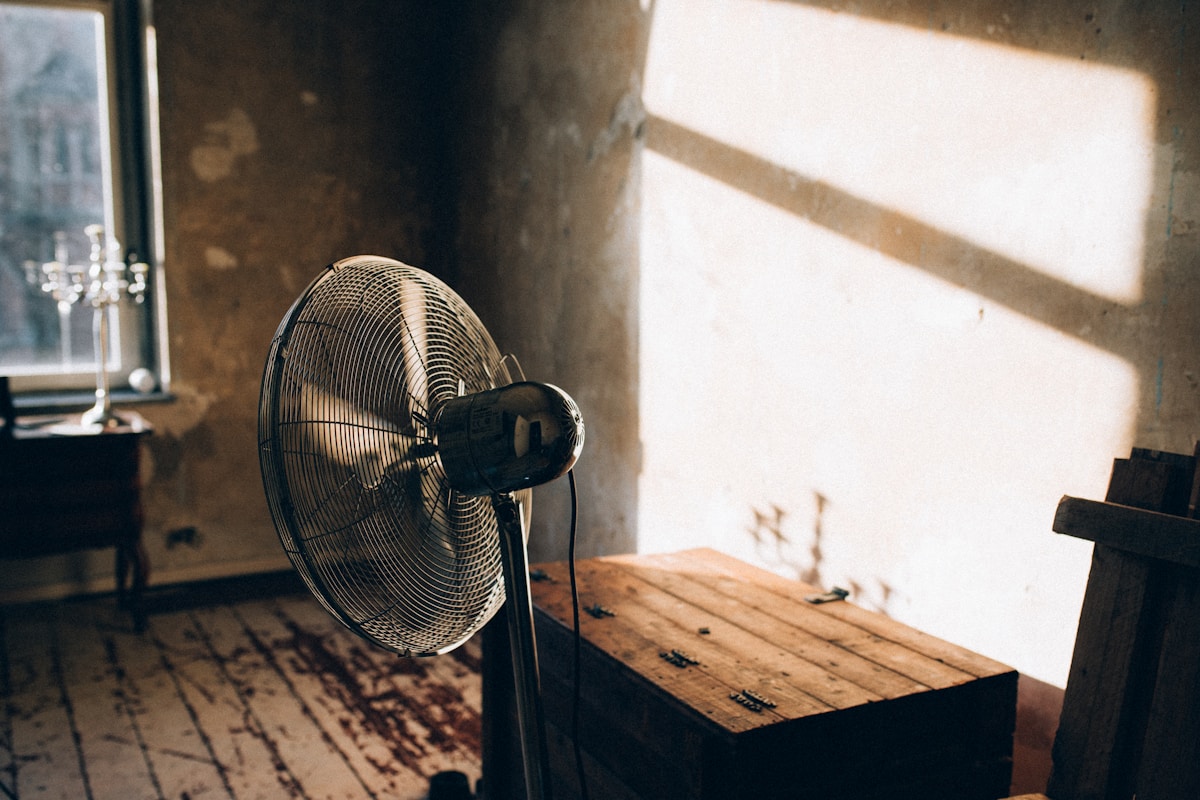
Structural drying is the most important phase of water damage restoration, and the one untrained responders most often get wrong. After extraction removes the standing water, significant moisture remains trapped in structural materials, including drywall, wood framing, subflooring, concrete, insulation and other building components. Controlled evaporation and dehumidification, applied scientifically, are needed to get that moisture out before a wet structure develops mold, rotting wood, degraded materials and odors.
Camden Restoration Co employs IICRC-certified structural drying technicians who understand psychrometry, the study of temperature, humidity and moisture relationships in air. Using this knowledge, they calculate the specific equipment placement, temperature settings and airflow patterns needed to create the right evaporation conditions for each drying situation. Different materials (drywall, hardwood, concrete, plaster) dry at different rates and need different approaches to reach acceptable moisture levels without causing additional damage.
Daily monitoring is built into how we dry a structure, and it relies on calibrated meters, thermal cameras and thermo-hygrometers. Readings are recorded from start to finish in a detailed drying log, which shows moisture dropping step by step in every affected material. Those readings guide daily equipment adjustments that keep the drying as efficient as it can be. Drying is complete only when all affected materials reach acceptable moisture standards as defined by IICRC S500 guidelines, not when surfaces simply feel dry to the touch.
How to Prevent Structural Drying Problems
Taking preventive measures can help you avoid costly water damage issues down the road. Follow these tips from our IICRC-certified technicians:
- Leave equipment where the technician placed it, since positions are based on the moisture map
- Let air movers and dehumidifiers run continuously, 24/7, until the technician removes them
- Do not place personal items on top of drying equipment or block the airflow from air movers
- Moisture can sit deep in a material whose surface feels dry, so rely on the meter readings
- Keep windows and doors closed in areas being dried so the dehumidifiers stay efficient
- Make sure the technician can get in each day for monitoring visits
Structural Drying Issues? We Can Help.
Our IICRC-certified technicians are standing by to help.
Get Help: (386) 349-5085Structural Drying, Step by Step
Our systematic approach delivers quality results on every project. Here's how we handle structural drying from start to finish:
Moisture Assessment
Using moisture meters, thermal imaging and hygrometers, we create a comprehensive moisture map of all affected areas. This map guides equipment placement and establishes baseline readings.
Setting the Equipment
Our crew sets up high-velocity air movers along with commercial LGR units in the positions the moisture map calls for. The materials being dried determine how we set the airflow and the temperature.
Daily Monitoring
Our technician returns daily to take moisture readings at all monitoring points, adjust equipment placement and document drying progress. You receive updates on the drying timeline.
Dry Standard Verification
Final readings are documented, the equipment comes out and your property is certified at dry standard as soon as all affected materials test at acceptable levels.
Should You DIY or Call a Pro?
While some minor restoration tasks can be handled by handy homeowners, most water damage work requires professional expertise, specialized equipment, and proper safety training. Consider the following comparison:
| Factor | DIY Approach | Professional Service |
|---|---|---|
| Material Damage | No control over how fast materials dry | Settings adjusted for hardwood, drywall, concrete, plaster |
| Method | Guessing when things are dry | Psychrometric calculations optimize drying |
| Records | Nothing on paper to show it dried | Complete drying logs for insurance and records |
| Drying Time | Can drag on for weeks | Commercial equipment typically needs 3 to 5 days |
| Monitoring | Feeling surfaces by hand tells little | Daily readings on calibrated moisture meters |
Structural Drying: What Homeowners Ask
Questions About Structural Drying?
Call Camden Restoration Co to discuss your structural drying needs with a IICRC-certified technician.
Call (386) 349-5085 TodayWhat a Professional Brings to Structural Drying
Structural drying is a science, not a guessing game. The leading cause of secondary mold after a water event is setting out a few fans and trusting they will be enough. It involves daily monitoring, a calculation of the required grain depression (the capacity to remove moisture) and a working knowledge of the way materials absorb moisture and let it go. Get it wrong in one direction and mold feeds on leftover moisture, get it wrong in the other and wood or similar materials are damaged by over-drying.
Professional drying equipment is not a bigger version of what stores sell, it is a different kind of machine. A commercial LGR dehumidifier, short for low-grain refrigerant, pulls 10 to 20 times as much moisture out of the air as a residential one, while high-velocity air movers set up the exact airflow that speeds evaporation off structural surfaces. This equipment represents a significant investment and requires training to deploy effectively, both reasons why professional drying produces far better outcomes than DIY attempts.
Signs It Is Time for Structural Drying
Recognizing the warning signs early can save you time, money, and prevent significant damage to your property. Watch for these telltale signs that professional help is needed:
- No visible water left, yet walls or floors still feel cold and damp
- Drywall that is soft, swollen or shows moisture staining
- Trapped moisture often announces itself with a persistent musty odor after cleanup
- Earlier water damage that was never professionally dried and now shows deterioration
- Gaps opening up in a hardwood floor, or planks with raised edges or centers
- Warped casing or baseboard where water reached the bottom of the wall
- Humidity that will not come down in the affected space, whatever ventilation you try
Early Action Saves Money
Many water damage problems start small but can escalate quickly into costly emergencies. If you notice any of these signs, contact Camden Restoration Co at (386) 349-5085 for a prompt evaluation.
Talk to a Structural Drying Expert
Don't let water damage problems get worse. Call Camden Restoration Co now for prompt, professional service.
Call (386) 349-5085 Now