





The whole point of mitigation is to stop the damage from growing. It is not the repair. Think of it as all the protective work that comes first, aimed at saving what remains sound. In Camden, our team handles mitigation by controlling the source, removing the water, containing the wet area and stabilizing the structure. When this stage goes right, there is less to rebuild afterward, occasionally nothing at all.
People often use mitigation and restoration to mean the same thing. In fact there are two separate stages. Mitigation is the emergency phase: stop the loss, limit the spread, stabilize the home. Restoration is what comes after: drying is confirmed, and damaged drywall, flooring and finishes are repaired or rebuilt. Because an insurer lists each one separately as well, knowing where you stand in the process is helpful.
A typical mitigation visit covers four things. Source control, so no new water enters. Extraction, so standing water is gone. Third is containment, where controlled airflow and plastic barriers keep contaminants and moisture away from clean rooms. Stabilization, which means removing materials that cannot be saved, treating surfaces with antimicrobial, and setting air movers and dehumidifiers. Furniture and personal items are protected too, either relocated or raised on blocks.
Maintenance Tips for Water Damage Mitigation
A little prevention goes a long way in avoiding expensive restoration emergencies. Follow these tips from our IICRC-certified technicians:
- Leave the heat on during winter trips so the plumbing cannot freeze.
- Braided steel supply lines should take the place of rubber ones on the washing machine about every five years.
- Keep gutters clear and downspouts pointed away from the foundation of the house.
- Slope the soil away from the house so rainwater does not pool against the walls.
- Install an automatic shutoff valve that closes the main when a leak is detected.
- Schedule an annual water heater inspection and swap the unit out before its tank gives way.
Ready to Solve Your Water Damage Mitigation Problem?
Get a free estimate from our expert team today.
Get Help: (386) 349-5085Our Water Damage Mitigation Process
Our systematic approach delivers quality results on every project. Here's how we handle water damage mitigation from start to finish:
Control the Source
Depending on the cause, our crew closes the supply, caps a failed line, or covers the entry point with tarps and boards. If a plumber or roofer is needed for the permanent fix, we coordinate the timing.
Extract the Water
Standing water is removed with pumps and extractors, and carpet and pad are checked. Getting bulk water out quickly does more to limit damage than any amount of drying equipment alone.
Set Up Containment
Plastic barriers and controlled airflow separate wet rooms from dry ones. That way dust, humidity and contaminants do not move through the home during the work.
Stabilize and Dry
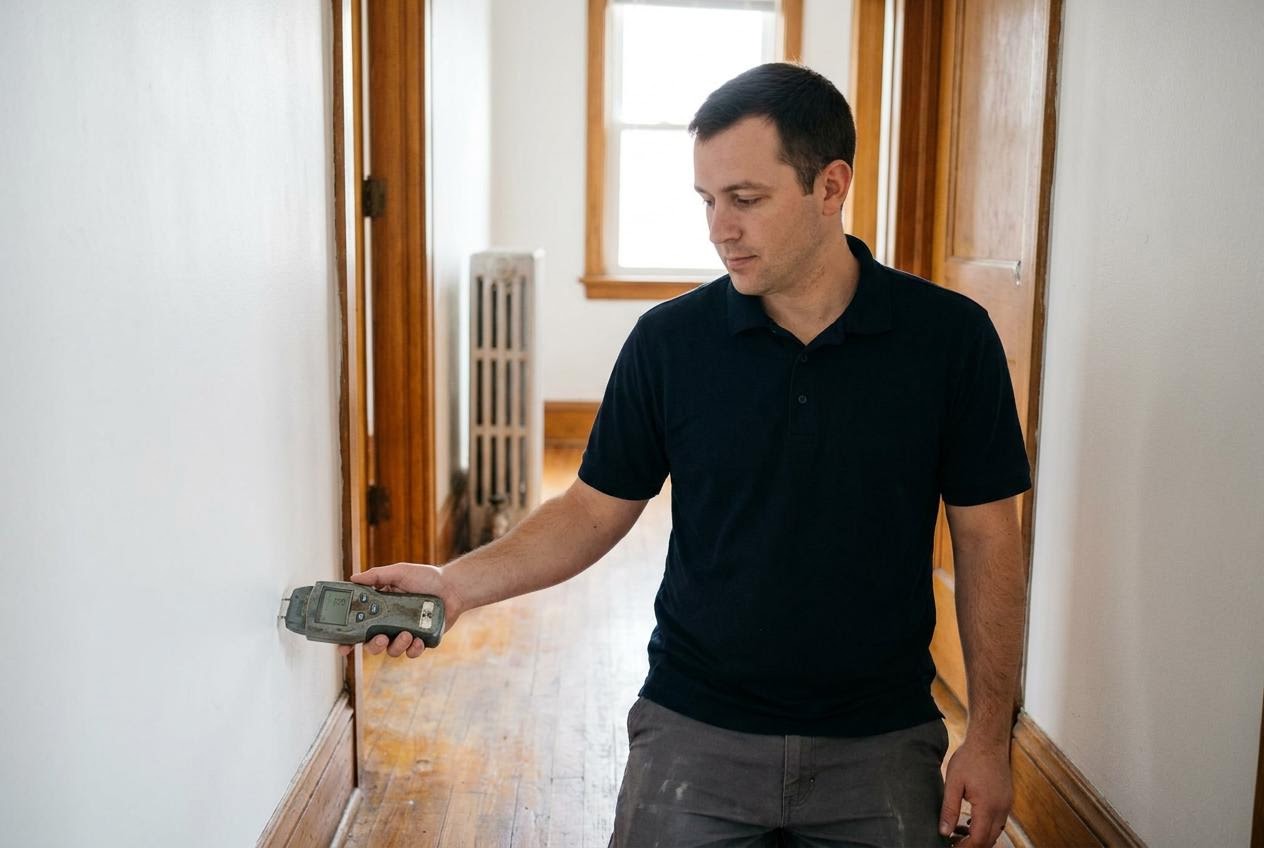
We remove what cannot be saved, treat surfaces with antimicrobial, and place dehumidifiers and air movers. Each visit includes logged moisture readings, and the structure is usually ready for repair work within 3 to 5 days.
Signs It Is Time for Water Damage Mitigation
Recognizing the warning signs early can save you time, money, and prevent significant damage to your property. Here are the most common indicators that it's time to call a professional:
- One day on, damp materials are beginning to smell musty.
- A plumber fixed the pipe but nobody has dealt with the water.
- Bathroom or kitchen cabinets are sitting over water that cannot be reached to dry.
- A roof or window opening is letting rain into the building.
- The carpet pad is soaked through even where the surface seems only damp.
- Windows keep fogging and the air feels humid days after the water loss.
- A leak has been stopped but floors, walls or cabinets are still wet.
Don't Wait Until It's an Emergency
What seems like a minor issue today can turn into a major expense tomorrow. If you notice any of these signs, contact Camden Restoration Co at (386) 349-5085 for a prompt evaluation.
Why Hire a Professional for Water Damage Mitigation?
Doing mitigation well means making a string of quick judgment calls. Which drywall can be dried in place and which has to be cut out? Has the water shifted category since the leak started, and is it Category 1, 2 or 3 now? Is removing the cabinet toe kick necessary? Each decision rests on meter readings and our training, never on whether something seems dry to the eye or hand.
Your insurance claim benefits from proper mitigation too. Owners are required by most policies to take reasonable steps against further damage, and the insurer will ask for evidence. Arrival photos, daily moisture readings and an inventory of removed materials all go into our records. The result is a file documenting both the damage and the steps taken. Whoever handles repairs then begins from a known condition, and nothing wet ends up sealed behind new wallboard.
Want a Professional Opinion?
Our experienced technicians can assess your situation and recommend the best solution.
Call (386) 349-5085 TodayComparing DIY and Professional Water Damage Mitigation
Some simple tasks are suitable for DIY, but most water damage work benefits from professional tools, training, and experience. Consider the following comparison:
| Factor | DIY Approach | Professional Service |
|---|---|---|
| Containment | Closed doors and towels | Sealed barriers and controlled airflow |
| Drying check | Assume a few days was enough | Each visit measured, not guessed |
| What stays or goes | Judging by look and feel | Keep or remove, based on moisture readings |
| Insurance documentation | A few phone photos | Daily moisture logs and photo record |
| Source control | Turn it off and assume it held | We prove the source is controlled |
Your Water Damage Mitigation Questions Answered
Get Water Damage Mitigation Help Today
The sooner you call, the sooner we can help. Reach Camden Restoration Co for same-day service.
Call (386) 349-5085 Today